

The Most Common Questions About Gynecomastia
Men with large breasts are often self-conscious about their appearance. The embarrassment may be so severe that they withdraw from friends, work, and even the activities that they normally enjoy.
This condition is known as gynecomastia, which translates from the Greek for “woman-like breasts.” And up to 65% of middle-aged and older men struggle with some form of it.
Fortunately, there’s male breast reduction surgery. Men seeking this procedure often have questions about gynecomastia and how to treat it.
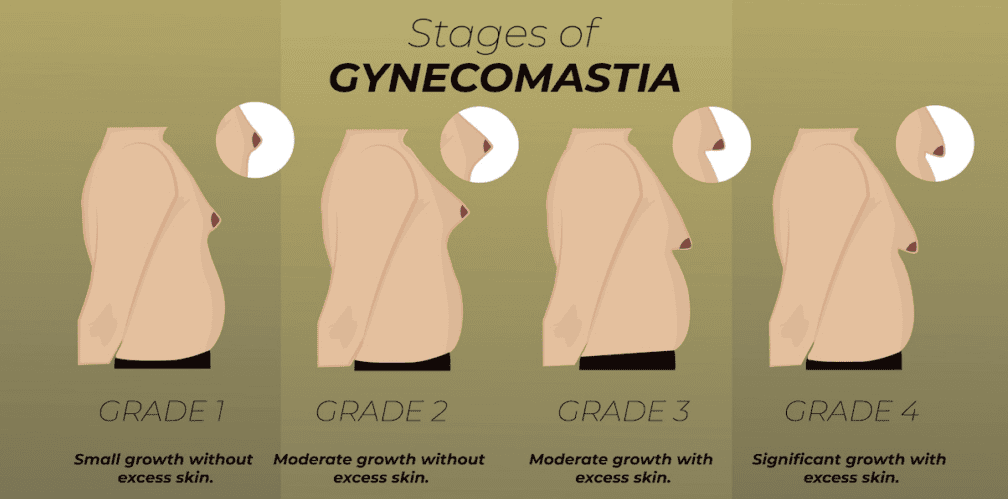
Frequently Asked Questions About Gynecomastia
Over half of newborn boys are born with enlarged breasts. This is the result of being under the effects of estrogen from their mothers while in utero. In this case, gynecomastia resolves within two to three weeks.
Gynecomastia may show up again during puberty as hormone levels start to fluctuate in young men. If there is a surge of estrogen that counters the effects of testosterone, it can result in larger breasts. This usually resolves within six months to two years of the onset of puberty.
Finally, gynecomastia returns around mid-life and breast enlargement frequently peaks in men between 50 and 80. It is at this stage of life when male breast reduction surgery is most warranted and patients come to us with the following questions about gynecomastia:
- What Are the Causes?
There are numerous causes for gynecomastia. It’s often the result of hormonal irregularities, genetic factors, and certain medical conditions. But the use of marijuana, steroids, alcohol, or certain medications (such as anti-androgens, AIDS medications, anti-anxiety, or anti-depressant medications), can also be contributors.
- Can It Be Prevented?
Now that doctors recognize the connection between the above-listed medications, steroids, alcohol, and marijuana, they recommend steering clear of these. Beyond that, however, there’s no definitive way to prevent the condition. Especially if it’s the result of genetics.
- Are There Symptoms?
The most obvious symptom is, of course, an increase in breast size and fullness. This is usually enough to compel men to get breast reduction surgery. However, some men also experience tenderness, skin irritation and chafing, and even infection. Nipple discharge may also occur, though this is much less common.
- What Can Be Done to Treat Gynecomastia?
The breasts (for both men and women) consist of glandular tissue and fatty tissue. Glandular tissue is firm and dense, while fatty tissue is soft. The ratio between the two varies from person to person. A man with gynecomastia could have too much of one or both types of tissue.
In the case of excess fatty tissue, liposuction is the procedure of choice. This involves creating a 3- to 4- millimeter incision into which a small tube is inserted to “vacuum” out the excess fat. For excess glandular tissue, the method is usually excision. An incision is made around the edge of the areola, and excess tissue is removed with a scalpel. Then the skin around the pectoral muscles is tightened to create a masculine physique.
In some cases, both excision and liposuction may be needed.
After the procedure, the patient may have to wear an elastic pressure garment for one to two weeks to help reduce any swelling. Within six weeks, he can return to his normal routine.
It’s important to note that before male breast reduction surgery, some lifestyle changes in diet and exercise may be necessary to ensure long-lasting results. These changes will also decrease the likelihood of male breast recurrence.
Are You a Candidate for Male Breast Reduction Surgery?
If you’re a man noticing your breasts are fuller and larger than they once were, you may be a candidate for male breast reduction surgery.
The ideal patient is physically and emotionally healthy and does not drink in excess, smoke marijuana, or use steroid medications with regularity.
Contact us today to schedule a consultation with one of our board-certified plastic surgeons. We’ll answer any questions about gynecomastia you might have so you can take the next step toward increasing your confidence and well-being.